October 23, 2026
The world of vintage vehicles represents a unique intersection of history, art, and passion. When parting ways with a beloved classic, owners face a delicate balancing act. Preparing a classic automobile for the modern buyer means ensuring it operates reliably without stripping away the character that makes it so appealing. This process is essential in the realm of car sales, as buyers want a vehicle that feels authentic but does not immediately require a massive overhaul. According to IBIS World, classic car revenue has leveled off, decreasing slightly at a compound annual growth rate of 0.4% to reach $2.4 billion, even with a 0.1% bump in 2025, while profit margins are projected to stabilize around 5.4% in 2025. With a stabilizing market, standing out in the competitive landscape requires a thoughtful approach. Enhancing the vehicle's appeal while preserving its historical integrity is paramount. From addressing mechanical baselines to maintaining the original aesthetic, the goal is to present a machine that honors its heritage. Proper preparation ensures the vehicle commands attention and maximum value.
Restoring the Mechanical Foundation
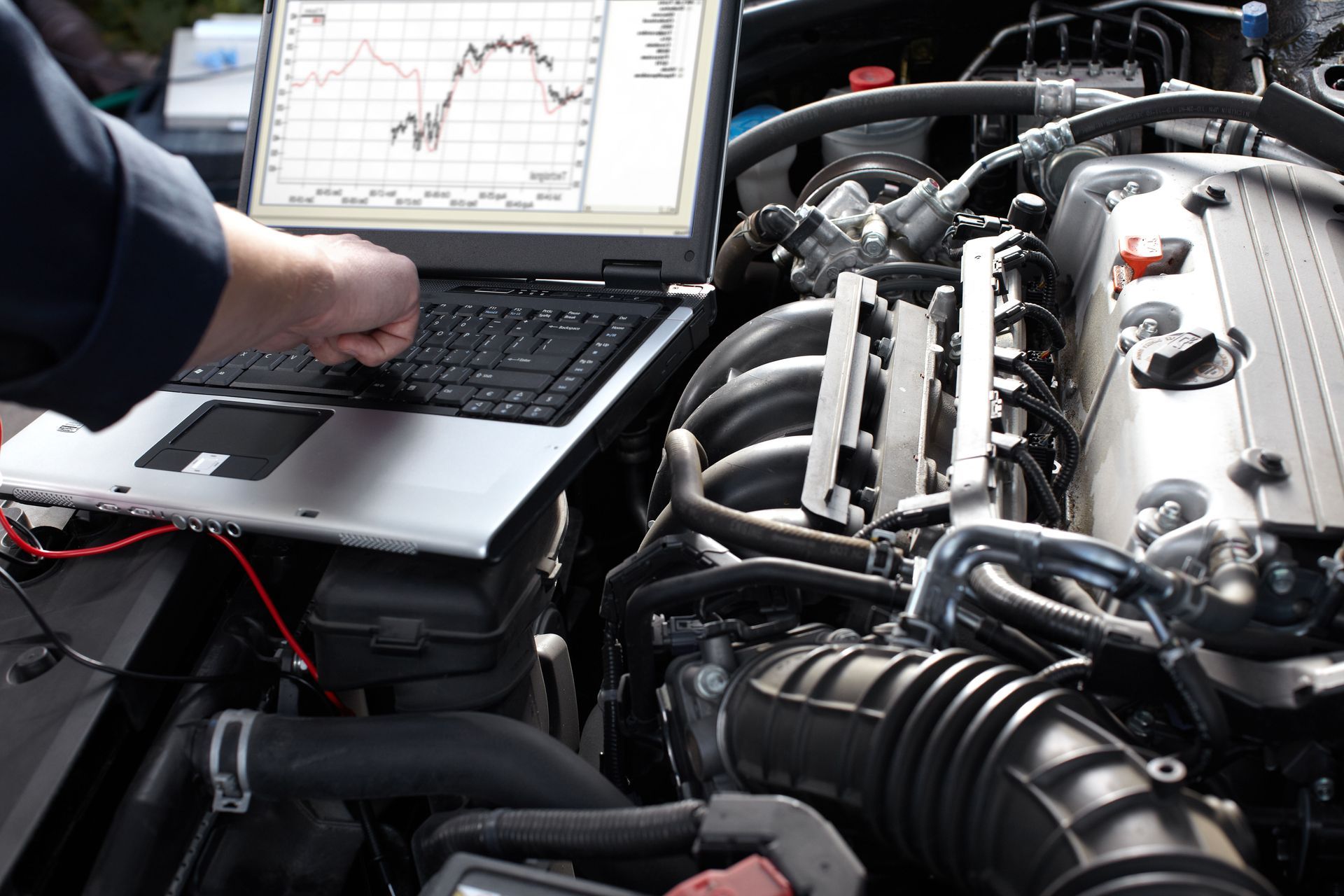
When preparing a vintage vehicle for the market, the mechanical foundation must be completely solid. Buyers appreciate a car that can be driven and enjoyed, not just admired in a garage. In the context of car sales, nothing deters a potential buyer faster than an engine that will not start. A comprehensive approach should start with a full service repair. This means conducting a thorough tune-up, addressing any check engine light diagnosis and repair needs, and ensuring all fluids are fresh. Performing an oil and filter change, alongside a radiator and coolant hose repair and flush, provides true peace of mind. Brake and clutch fluid flush procedures, as well as a transmission and differential flush, are vital maintenance steps. While these mechanical updates make the vehicle reliable, they do not detract from its original character. A mechanically sound vehicle will perform much better in the competitive environment of automotive retail, giving buyers immediate confidence.
Preserving the Original Exterior
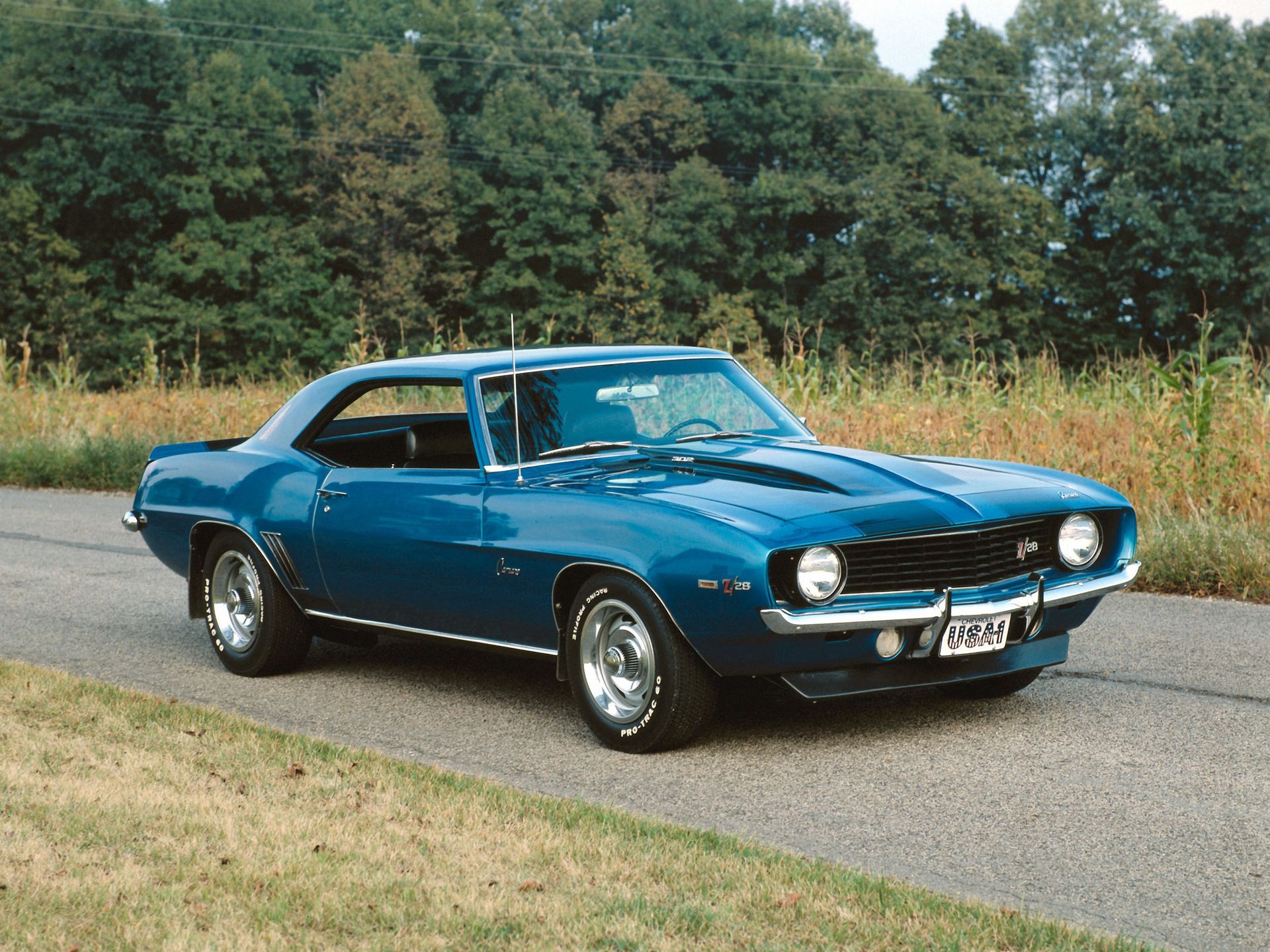
The exterior of a classic automobile is its most defining feature, serving as a rolling testament to the design language of its era. When involved in car sales, the initial visual impact is often what seals the deal. Preparing the exterior requires a restrained hand. Stripping a vehicle down for a complete modern paint job can sometimes remove the patina and history that collectors truly value. Instead, focus on full and partial reconditioning to bring out the best in the original finish. If the paint is fading but intact, professional polishing can restore its luster without erasing its story. Chrome bumpers and trim should be carefully cleaned and polished to a shine, highlighting the craftsmanship of the past. If parts are missing, source period-correct replacements rather than modern aftermarket alternatives. The primary goal is presenting a vehicle that looks carefully maintained over the decades.
Reconditioning the Vintage Interior
The cabin of a vintage automobile is where the driver connects with the machine, making it a critical focus area during preparation. The scent of old leather, the tactile feel of analog gauges, and the dashboard styling are elements modern buyers crave. In the world of car sales, a well-preserved interior significantly increases the perceived value of the vehicle. When approaching the interior, the emphasis should be on restoration service rather than replacement whenever possible. General repair for body and interior parts, such as fixing broken door locks, window switches, and safety belts, is essential for usability. If the seats are worn, consider conditioning the original leather or vinyl rather than completely recovering them. If recovering is absolutely necessary, use materials matching the original factory specifications. Even fixing the air conditioning repair and recharge system makes the cabin more comfortable for modern drivers while keeping original controls intact.
Balancing Modern Needs With Authenticity
Today's buyers often expect a certain level of reliability and convenience, even when purchasing a piece of automotive history. Finding the middle ground between vintage charm and modern usability is key to successful classic vehicle transactions. Many enthusiasts want to drive their classics to weekend shows or take them on scenic drives without the constant fear of breaking down. Upgrading hidden components can improve the driving experience without altering the vehicle's character. For instance, updating the braking system with brake pads and rotors can ensure the car stops safely in modern traffic. Upgrading to electronic ignition or installing a modernized cooling system can quickly prevent overheating. These modifications are generally accepted in classic car sales because they enhance drivability without changing the vehicle's appearance. The broader market appreciates thoughtful upgrades making the automobile safer and much more reliable.
Highlighting the Vehicle History
A classic vehicle is more than just a collection of metal, glass, and rubber; it is a piece of history with a story to tell. For many buyers, the provenance of the automobile is just as important as its physical condition. When preparing for car sales, assembling a comprehensive portfolio of the vehicle's history can drastically elevate its overall appeal. Providing a detailed vehicle history report gives buyers peace of mind and validates the car's background. Gather original documentation, such as factory build sheets, original sales receipts, and owner's manuals. Compile a binder of maintenance records, showing the vehicle has received regular full-service repairs and care over the years. Documenting previous ownership, especially if the car has a unique past, adds a layer of character that cannot be replicated. A well-documented history serves as a powerful marketing tool, proving the vehicle's authenticity.
Navigating the Classic Market
Understanding the nuances of the vintage automobile market is crucial for a successful transaction. The buyers in this segment are knowledgeable enthusiasts who know exactly what they are looking for. When engaging in classic car transactions, it is important to accurately assess the vehicle's value based on condition, rarity, and market demand. Offering flexible options can also help facilitate the entire process. For example, providing financing options can make a high-value classic more accessible to a broader range of enthusiastic buyers. Additionally, being open to a trade-in can encourage buyers looking to upgrade or simply change their collection. Knowing whether you are dealing with European classics from the 40s through the 70s or American classic cars and trucks from the 50s through the 70s will dictate how you market the vehicle. Understanding market dynamics ensures a rewarding experience.
Preparing a vintage automobile for the modern market is an art form requiring patience, respect for history, and an understanding of buyer expectations. The goal is delivering a vehicle that functions reliably while retaining the soul and character making it a classic. By focusing on essential mechanical updates like a tune up or an oil and filter change, you ensure the car is ready for the road. Carefully preserving the exterior and reconditioning the interior keeps the historical aesthetic completely intact. Balancing modern drivability with original charm, coupled with a well-documented history, creates a highly compelling package. As the landscape of car sales continues to evolve, the demand for authentic, well-prepared vintage automobiles remains a steady force. Whether dealing with a meticulously preserved survivor or a car that has undergone a thoughtful restoration service, right preparation makes all the difference. When you are ready to find the next caretaker for your beloved classic, reach out to the experts at Great Lakes Auto Sports.